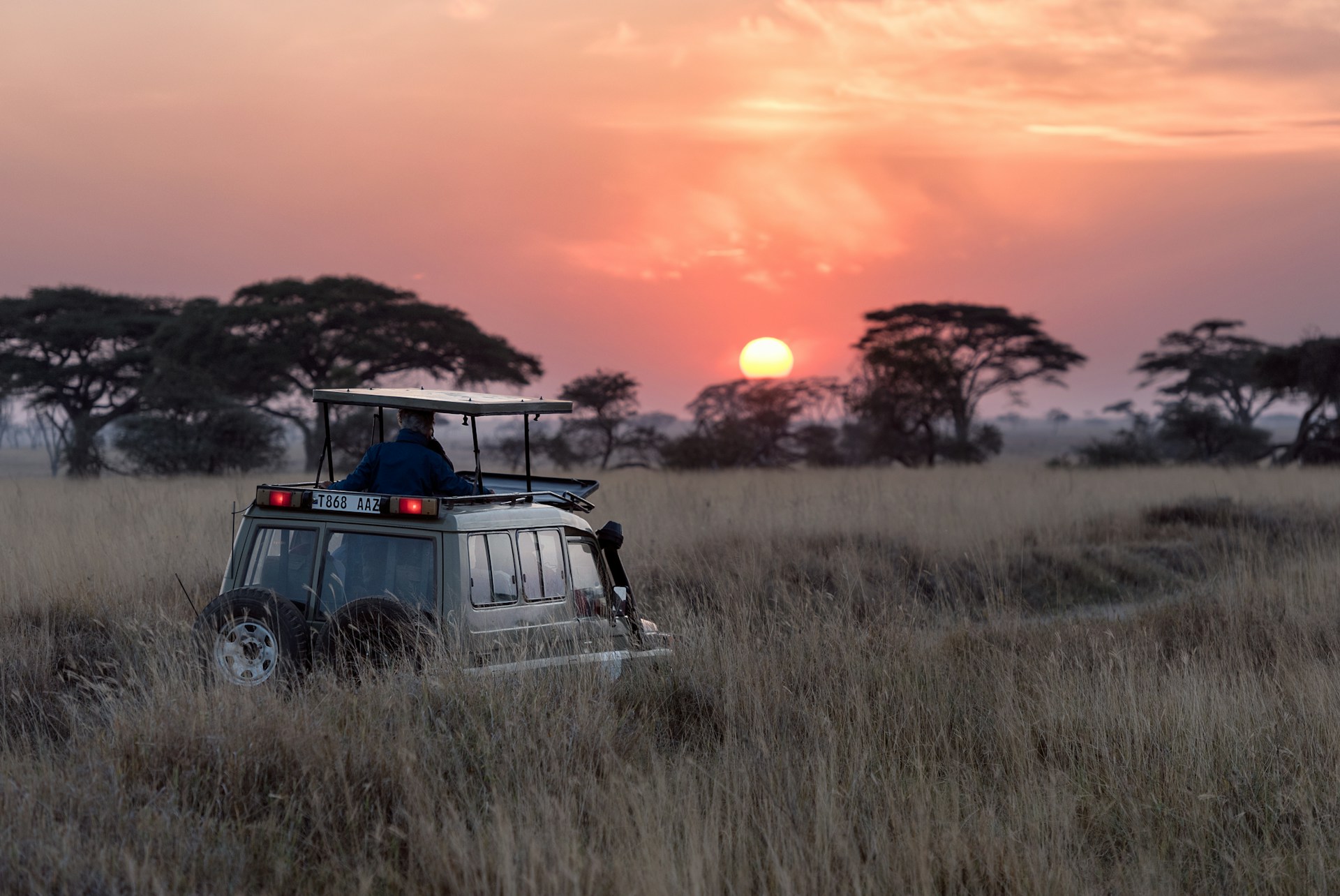
Safari Spirits: The Serengeti, Tanzania
The Serengeti is the quintessential theater of the wild. Spanning 14,750 square kilometers of sun-drenched savannah, its name is derived from the Maasai word siringet, meaning "the place where the land moves on forever." To witness the Serengeti is to witness the Earth as it was before the clock started ticking—a place where the laws of nature remain absolute and untouched.
In 2026, the Serengeti is seeing a rise in "Conscious Exploration," where travelers are trading traditional high-impact safaris for intimate, eco-sensitive experiences that prioritize the rhythm of the wildlife over the ticking of a tour schedule.
The Great Migration: Earth’s Grandest Pilgrimage
The defining event of the Serengeti is the Great Migration, a circular odyssey of nearly two million wildebeest, zebras, and gazelles. This is not a single event, but a perpetual journey driven by the ancient scent of rain.
- The Drama: Between July and September 2026, the herds face their most perilous challenge: the Mara River crossing. Here, thousands of animals plunge into crocodile-infested waters in a desperate bid for the greener pastures of the north.
- The New Perspective: In 2026, "Mobile Tented Camps" are the preferred way to follow the movement. These camps move seasonally, ensuring you are always at the heart of the action without leaving a permanent footprint on the ecosystem.
- The Calving Season: For a softer but equally intense experience, visit the southern Ndutu Plains in February. Within a three-week window, roughly 500,000 wildebeest calves are born, attracting the highest concentration of lions, cheetahs, and hyenas on the continent.
Beyond the Big Five: The Spirit of the Plains
While the "Big Five" (lion, leopard, elephant, buffalo, and rhino) are the headline acts, the true spirit of the Serengeti lies in its diverse landscapes—from the volcanic grasslands of the south to the acacia woodlands of the Western Corridor.
- The Kopjes: These ancient granite rock formations rise like islands from the sea of grass. They are the favorite haunts of leopards and prides of lions, providing a strategic vantage point over the plains.
- History Tip: The Serengeti was established as Tanzania’s first National Park in 1951. Its conservation owes much to the "Arusha Manifesto" of 1961, a foundational document where Tanzania’s first president, Julius Nyerere, pledged to protect the country's wildlife as a source of "wonder and inspiration."
The 2026 Trend: Silent Safaris and Astro-Tourism
Modern safari-goers are seeking a deeper connection with the land. 2026 has seen the introduction of electric 4x4 vehicles in several premium camps, allowing for "Silent Safaris" where you can approach wildlife without the rumble of a diesel engine.
- Stargazing: With some of the darkest skies on the planet, the Serengeti has become a premier destination for "Astro-Safari" experiences. After the sun sets, guides use laser pointers to map out the Southern Cross and the Milky Way, often accompanied by traditional Maasai storytelling.
- Cultural Immersion: Moving beyond the "staged" village visit, 2026 programs focus on genuine conservation partnerships, where guests can join Maasai rangers on foot to learn about ancient tracking techniques and medicinal plants.
Pro-Traveler Tips for the Serengeti 2026
- Fly-In vs. Drive-In: To maximize your time in 2026, many are opting for "Fly-In" safaris. Small bush planes land directly on dirt airstrips like Seronera or Kogatende, saving you the 8-hour bumpy drive from Arusha and giving you an incredible aerial view of the herds.
- The "Green Season" Secret: Visiting in May or June (the "Green Season") offers lush emerald landscapes, incredible birdwatching, and lower prices. While the migration is moving north, you’ll avoid the peak season crowds.
- Photography Etiquette: Modern travelers are moving toward "Storytelling Photography." Instead of just chasing the "kill," focus on the social interactions—an elephant greeting a calf or a grooming session between lions.
- The Safari Pack: Even in 2026, the basics matter. Bring high-quality binoculars (8x42 is the sweet spot) and neutral-colored clothing. Avoid blue and black, as these colors attract the pesky tsetse flies in certain wooded areas.