Get consult
Unlock the secrets of the world’s most breathtaking locales with our expert insights — guiding you toward the truly remarkable destinations that define a lifetime of travel.



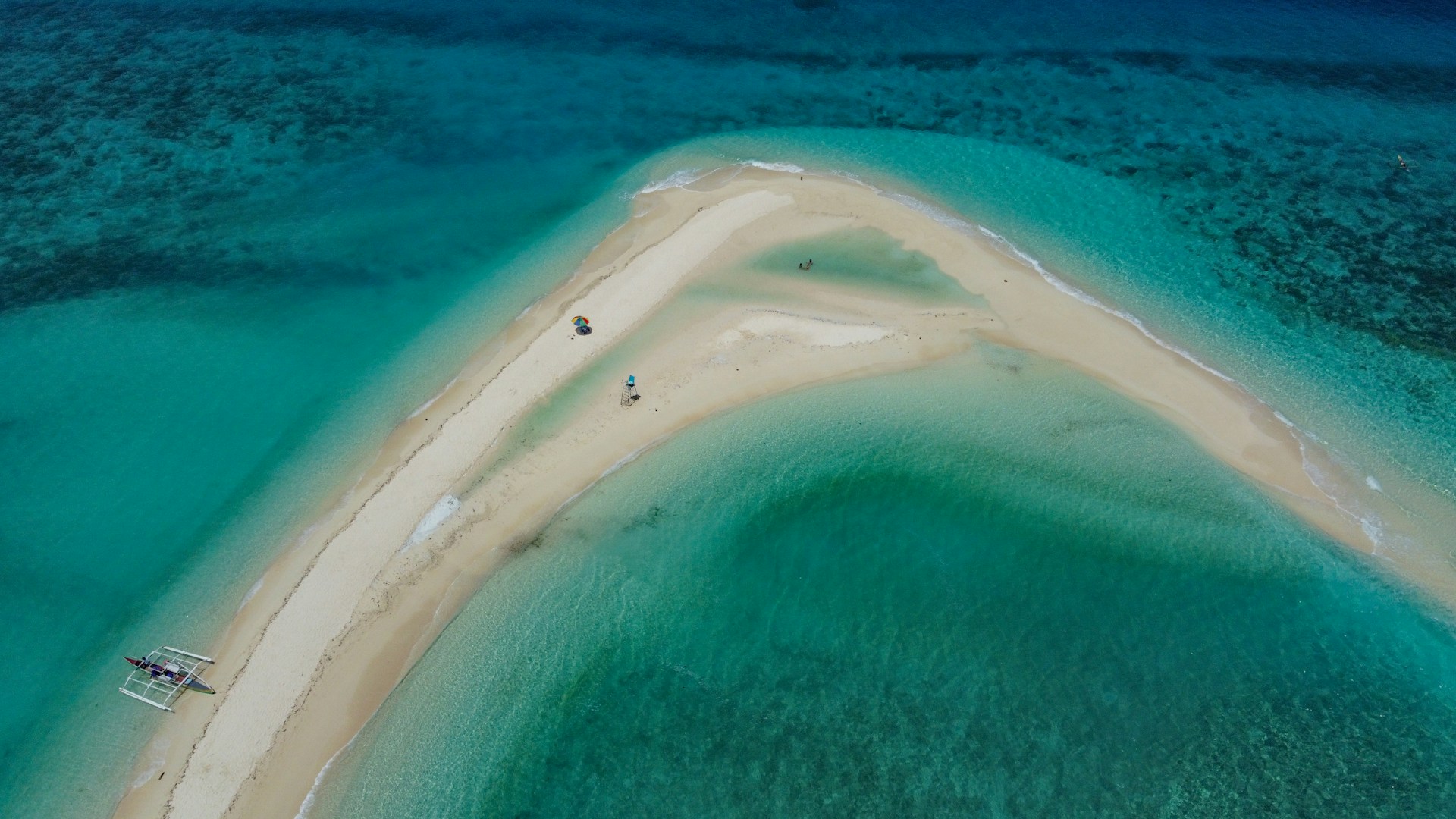
Photo by Diego Allen on Unsplash
In early 2026, the New York Times published its annual 52 Places to Go list. Of the 7,641 islands in the Philippines, only one made the cut: Camiguin. The island ranked 37th, and for most international travelers, it was the first time they had heard of it. For Filipinos, it was a long-overdue acknowledgment of what they already knew.
Camiguin is the second smallest province in the Philippines, a pear-shaped volcanic island approximately 90 kilometers north of Cagayan de Oro in Northern Mindanao. It is 229.8 square kilometers in circumference, small enough to drive around in two hours. It has seven volcanoes but only five towns, making it the only place in the Philippines, possibly the world, with more volcanoes than municipalities. Known as Isla del Fuego (Island of Fire) and also as the Island Born of Fire, Camiguin offers a density of natural wonders per square kilometer that is matched by very few destinations in Southeast Asia.
The modern trend Camiguin represents in 2026 is Off-the-Beaten-Track Authentic Adventure: the accelerating global demand for destinations that offer genuine natural immersion, uncrowded landscapes, and meaningful community encounters, without the commercialization that has overtaken headline island destinations. Travel and Tour World's January 2026 feature explicitly attributes Camiguin's rising international recognition to travelers seeking off-the-beaten-path adventures with authentic cultural experiences and pristine landscapes.
The NYT recognition arrived at a strategic moment. Camiguin's provincial government had already been building toward this: in 2025, Governor Xavier Jesus Romualdo announced that the island welcomed 397,818 tourists, a 37.86% increase from 288,558 in 2024, as documented by Travel and Tour World in January 2026. Of the total visitors, 376,322 were domestic and 21,496 were international, with foreign arrivals up 15.7%. European visitors were specifically called out as a growing segment, signaling the island's emerging international profile.
The provincial government launched the official Isle Visit Camiguin 2026 campaign with a full monthly calendar of events designed to sustain arrivals throughout the year and position the island as a year-round destination, as documented by the Philippine Information Agency. The campaign opened with Camiguin de Lechonanza in January (60 lechon entries, public tasting), followed by adventure and marine events in subsequent months. A No DOT Accreditation, No Business Permit policy has been implemented to enforce national tourism standards across all visitor-facing businesses, a move that signals the province's intent to manage quality alongside growth. The province's representative even traveled to the Feria Internacional de Turismo in Madrid, Spain, to present Camiguin internationally, as reported by PIA.
The island's volcanic geology has created an almost improbable concentration of natural attractions:
There are two main routes. By air: fly directly to Camiguin Airport (CGM) in Mambajao from Cebu, operated by Cebgo (a subsidiary of Cebu Pacific). Travelers from Manila need a connecting flight through Cebu. By sea: fly or travel to Cagayan de Oro's Laguindingan Airport (CGY), then take overland transport to Balingoan Port in Misamis Oriental, from where a ferry crosses to Benoni Port in Camiguin. The ferry crossing takes approximately one hour and is the most commonly used route for budget travelers and those combining Camiguin with a Cagayan de Oro visit. Multiple travel guides, including Joshua Goes Random and Small Girl Big Backpack, confirm this routing.
Camiguin has a Type IV climate with no pronounced dry season and relatively even rainfall year-round. The period from January to April typically sees the least rainfall and is considered the optimal beach season. The Lanzones Festival, held during the third week of October, is the island's most celebrated annual event and should be booked far in advance as accommodations fill quickly. Adventure activities including Mount Hibok-Hibok treks are best scheduled during the drier first quarter of the year for clearer summit views and safer trail conditions.
The circumferential road that loops around Camiguin is approximately 60 kilometers and takes about 2 hours to drive without stops. Most visitors rent motorbikes from operators in Mambajao, the main town, for flexible access to all attractions. Habal-habal (motorcycle taxis) are available for shorter journeys. The compact size of the island is one of its greatest assets: no single attraction is more than a 30-minute drive from Mambajao, making a thorough 3-day itinerary entirely manageable without rushed transitions.
The majority of accommodation is concentrated in and around Mambajao and the Yumbing area to the west, which sits directly opposite White Island and offers the most convenient access to beach activities. Options range from budget guesthouses to small boutique resorts. Camiguin is consistently described as more affordable than comparable Philippine island destinations such as Siargao or Boracay, making it accessible for budget-conscious travelers who want an uncrowded, high-quality island experience.
The summit trek to Hibok-Hibok requires a hiking permit from the DENR office in Mambajao and a registered local guide. The climb takes approximately 5 hours to the summit and should begin before sunrise to maximize summit visibility before clouds form in the mid-morning. The trail passes through mossy cloud forest and a shallow crater lake formed in a previous eruption. Physical fitness is required: the trail is steep and exposed in sections. Contact the DENR Camiguin office directly or through accredited tour operators in Mambajao to arrange permits and guides, as requirements and procedures may be updated.
Camiguin's Provincial Tourism Officer Candice Naomi Dael said it clearly at the Isle Visit Camiguin 2026 launch: she asked Camiguinons themselves to be ambassadors and show the world what the island has to offer. As a visitor, you can honor that spirit by doing the same in reverse. Respect the island's No DOT Accreditation, No Business Permit policy: only book tours, accommodations, and activities with accredited operators, which ensures your spending supports businesses that meet national safety and environmental standards. Avoid single-use plastics throughout your stay, as the island's waste management infrastructure is limited compared to larger urban destinations. When snorkeling the Sunken Cemetery or White Island, use reef-safe sunscreen and follow the 5-meter rule with marine life. Camiguin is beautiful because large-scale development has been limited: every responsible traveler who visits and behaves accordingly helps make the case that it should stay that way.
Kotor is a double-listed UNESCO World Heritage Site in Montenegro's fjord-like bay. Your fact-checked 2026 guide to the Adriatic's most layered medieval city and the rise of Western Balkans travel.
The Faroe Islands generated 1.4 billion DKK from tourism in 2025 while pioneering Europe's most innovative sustainable tourism model. Your fact-checked 2026 guide to the North Atlantic's most dramatic archipelago.
McMurdo Sound and the Ross Sea welcome only about 1,150 visitors per season. Your fact-checked 2026 guide to the world's most remote expedition and the huts of Scott and Shackleton.