Get consult
Unlock the secrets of the world’s most breathtaking locales with our expert insights — guiding you toward the truly remarkable destinations that define a lifetime of travel.



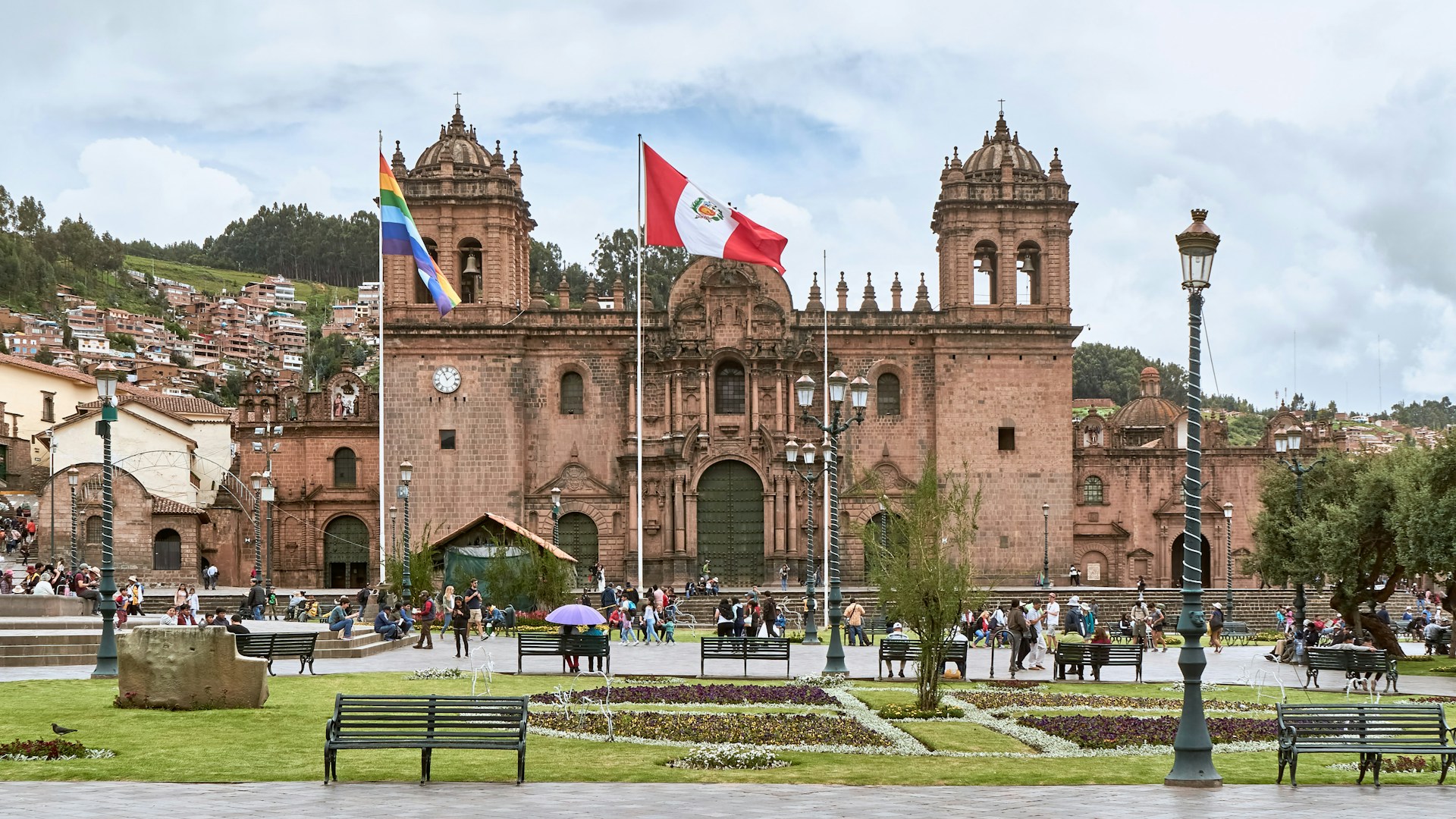
Photo by Raul Varela on Unsplash
There is a moment that happens to almost every traveler who arrives in Cusco for the first time. They step out of the taxi from the airport, look up from the cobblestones, and find themselves standing inside a city where an ancient Inca stone wall runs seamlessly beneath a Spanish colonial mansion, where the precision engineering of a civilization that flourished 600 years ago forms the literal foundation of the buildings people eat and sleep in today. Cusco, known as Qosqo in Quechua, meaning the navel of the world, is the kind of place that reorganizes your sense of what human history actually looks like when it is still physically present in the street you are walking on.
In 2026, Peru's tourism story is one of steady, meaningful recovery accompanied by a structural shift in how travelers engage with the country. Peru welcomed 4.16 million international visitors in 2025, a 4.1 percent increase over 2024, according to Peru's Ministry of Foreign Trade and Tourism (Mincetur) as reported by Rio Times Online. Peru saw 3.8 million arrivals in the first 11 months of 2025 alone, as confirmed by Wikipedia's Tourism in Peru article citing Mincetur data. The Cusco Tourist Ticket, which grants access to 16 major sites across Cusco city and the Sacred Valley, sold over 1.1 million tickets in 2024, surpassing pre-pandemic numbers with a 63 percent increase from 2023, as confirmed by TreXperience Peru citing official ticketing data. North American travelers have led the international recovery: 2024 bookings from North America sat 19 percent above 2019 levels, as documented by Peru Explorer citing industry trend analysis.
The trend reshaping Cusco and the Sacred Valley specifically in 2026 is Sacred Valley Slow Tourism and Inca Heritage Immersion: a deliberate shift away from treating the region as a one-monument pilgrimage toward Machu Picchu and toward engaging deeply with the entire 60-kilometer Urubamba River corridor, its Quechua-speaking communities, its living agricultural traditions, its cloud-draped Inca ruins, and its emerging generation of Indigenous-led cultural enterprises. As Machu Picchu tightens its ticketing system with mandatory circuits and daily caps, the broader Sacred Valley is absorbing traveler attention in ways that are producing richer, more distributed, and more sustainable tourism outcomes. According to PROMPERÚ travel trends for 2025, more than 50 percent of travelers now prioritize accommodation with panoramic views and authentic cultural experiences, as confirmed by Andean Wings Valley citing official PROMPERÚ data. The Quechua valleys have exactly what that traveler is looking for.
Cusco's story begins at the apex of pre-Columbian civilization. The city served as the political, spiritual, and cultural capital of Tahuantinsuyo, the Inca Empire, the largest empire in pre-Columbian America, stretching from present-day Colombia to central Chile. Designed in the shape of a puma, Cusco was built with a level of architectural precision that continues to confound engineers: Inca stone walls are fitted so tightly without mortar that a razor blade cannot be inserted between the blocks, as confirmed by Geography Worlds and multiple archaeological sources. Cusco sits at 3,400 meters (11,155 feet) in the Peruvian Andes, and at this altitude the Inca engineers moved and shaped stones weighing up to 125 tons using only human labor, rope, and inclined planes, as documented by Tayra Tours Cusco's Sacsayhuaman guide.
The Spanish arrived in 1533 under Francisco Pizarro and, recognizing both the strategic value and the symbolic power of the capital, proceeded to build their colonial city directly on top of Inca foundations. The result, visible on every block of the historic center today, is one of the most extraordinary examples of cultural layering in the world: baroque churches and colonial mansions rising from the same precisely fitted Inca stonework that supported the temples and palaces of the empire. UNESCO inscribed the Historic Center of Cusco as a World Heritage Site in 1983, recognizing it as preserving more than 100 historical monuments spanning 3,000 years of cultural development, as confirmed by the UNESCO World Heritage Centre's official Cusco listing and machupicchu.org's UNESCO travel guide.
Most travelers spend their Cusco time in the Plaza de Armas and then rush toward Machu Picchu. The ones who linger discover Sacsayhuaman. Perched on a hill above the city at 3,700 meters, this monumental Inca complex, whose name translates from Quechua as satisfied falcon, was constructed beginning under the reign of Pachacuti Inca Yupanqui (1438 to 1471), the same ruler who built Machu Picchu, as confirmed by Tayra Tours Cusco. Its three massive zigzagging stone walls, built from boulders some weighing up to 125 tons and fitted without mortar, form one of the most astonishing feats of engineering anywhere on earth. The Spanish dismantled an estimated 60 percent of the original structure after the conquest, repurposing its stones for colonial buildings throughout the city. The 40 percent that remains, as confirmed by Tayra Tours Cusco, is still enough to stop visitors in their tracks. During the Battle of Sacsayhuaman in 1536, the Inca warrior Cahuide famously leaped from the top of the central tower rather than surrender, becoming a lasting symbol of Inca resistance, as documented in the site's official history.
The Qorikancha, or Temple of the Sun, is the most dramatic single expression of what the Spanish conquest did to Cusco. This was the most sacred temple in the Inca Empire, its walls once lined with sheets of hammered gold and its courtyards containing golden replicas of plants and animals. The Spanish stripped the gold, and the Dominican order constructed the Convent of Santo Domingo directly over the Inca temple's foundations. Today visitors can stand at the join and see precisely where Inca stonework meets Spanish colonial masonry: two civilizations, one impossible building. The Plaza de Armas, Cusco's central square, was the Inca huacaypata, the ceremonial center of the empire. Today it is ringed with colonial arcades, the imposing Cathedral of Cusco begun in 1560, and the Jesuit church of La Compañía de Jesús, and remains the social and symbolic heart of the city where locals and visitors gather daily beneath blooming jacaranda trees, as documented by Soleq Travel's 2026 Cusco guide.
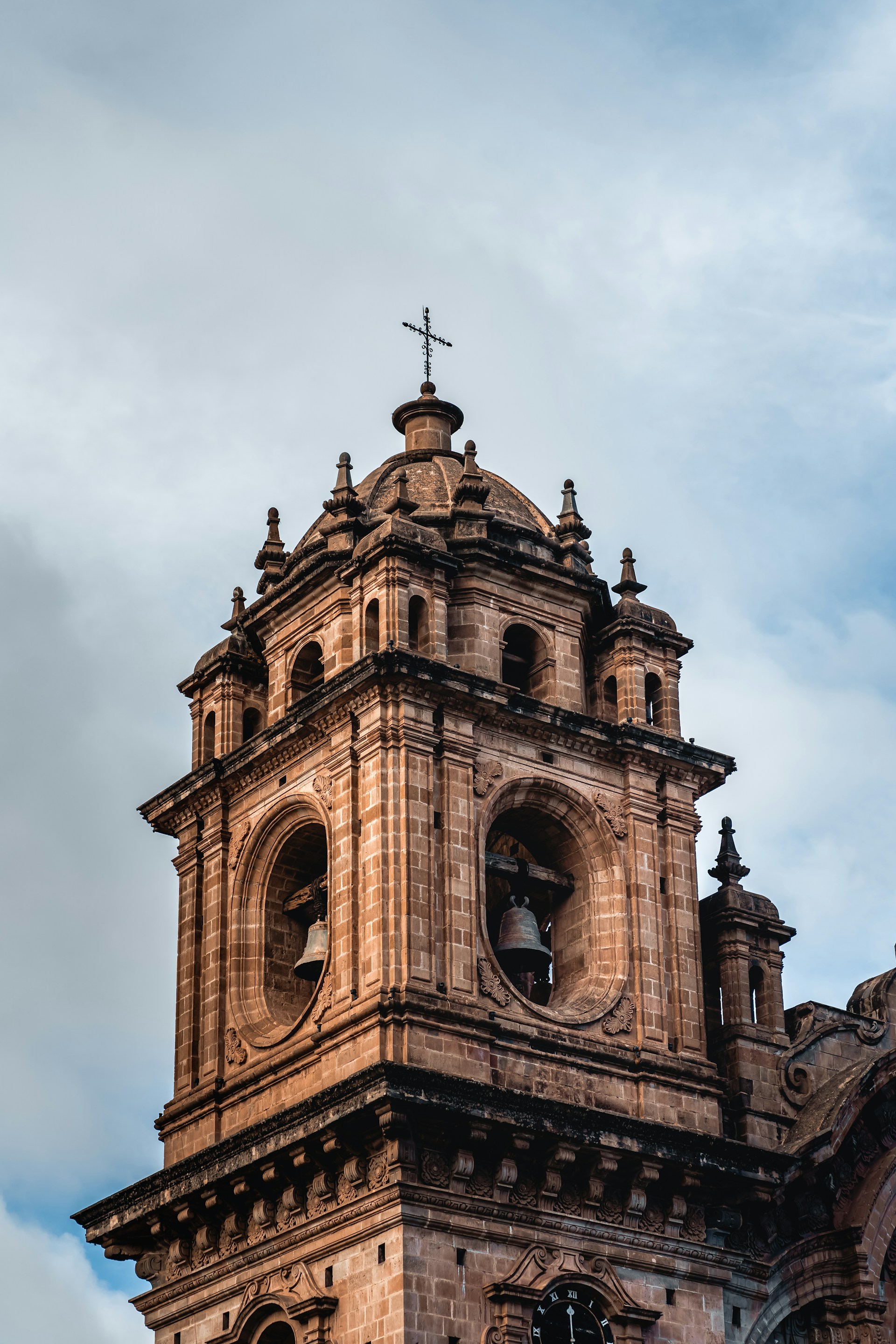
The Sacred Valley of the Incas (Valle Sagrado de los Incas) follows the Urubamba River for approximately 60 kilometers between the towns of Pisac and Ollantaytambo, sitting at elevations between 2,700 and 3,400 meters, lower than Cusco city. This lower altitude makes the valley both a gentler acclimatization environment and a year-round agricultural powerhouse: the Incas regarded the Urubamba River as the earthly reflection of the Milky Way, and the valley's fertile terraced fields produced the corn and coca that supplied the empire, as confirmed by Peru Explorer's Sacred Valley guide and Andean Wings Valley. The three anchor sites are: Pisac, with its dramatically tiered Inca agricultural terraces climbing a mountainside above a living village whose Sunday market remains one of the finest in Peru; Ollantaytambo, a town whose Inca street grid is still intact and inhabited, making it arguably the oldest continuously occupied settlement in the Americas; and Moray, the mysterious circular terraced amphitheaters believed to have functioned as an Inca agricultural laboratory testing crops at different microclimates, as documented by multiple Peru tourism sources.
International travelers fly into Lima's Jorge Chávez International Airport, which completed a major expansion in late 2025, and then connect by domestic flight to Alejandro Velasco Astete International Airport in Cusco. The Lima to Cusco flight takes approximately 1.5 hours, as confirmed by Peru Explorer's 2026 complete guide. Altitude sickness (soroche) is the most important practical challenge for all visitors to Cusco, which sits at 3,400 meters (11,152 feet). Arriving directly from sea level to 3,400 meters creates a significant physiological stress. The recommended approach, confirmed by the Salkantay Trekking acclimatization guide and multiple mountain medicine sources, is to spend your first one to two days resting, walking slowly, drinking coca tea (widely available and a traditional Andean remedy), avoiding alcohol, and sleeping as much as possible. Many experienced travelers choose to arrive in the Sacred Valley first, which sits at 2,700 to 3,000 meters, to begin gentler acclimatization before ascending to Cusco, as confirmed by the How to Acclimate in Cusco 2026 guide from Salkantay Trekking. Prescription acetazolamide (Diamox) is an effective preventive option recommended by travel medicine physicians: consult your doctor before departure.
The Boleto Turístico del Cusco (Cusco Tourist Ticket) is the single most practical purchase for any visitor exploring Cusco city and the Sacred Valley. The full ticket costs approximately 130 Peruvian Soles (roughly 34 USD) and is valid for 10 days, granting access to 16 major archaeological sites and museums including Sacsayhuaman, Pisac, Ollantaytambo, Moray, and several Cusco city museums, as confirmed by The Only Peru Guide and machupicchu.org's 2025 UNESCO guide. Three partial circuit tickets (approximately 70 Soles each) cover specific geographic areas for visitors with limited time. The ticket must be purchased in person at the Cusco Tourist Ticket office or at select sites, as online sales are not available, as confirmed by The Only Peru Guide. Note that the Cusco Tourist Ticket does not include Machu Picchu (a separate ticketing system) or the Cusco Cathedral. Bring your passport as ID is required at entry points.
Machu Picchu operates a strict ticketing system with mandatory circuits, timed entry slots, and daily visitor caps. Standard daily capacity is 4,500 visitors, rising to 5,600 during peak high season dates (including June 19 through November 2, January 1, and major holiday periods), as confirmed by Bushop's 2026 Machu Picchu tickets guide citing Ministry of Culture data. Each ticket specifies a circuit and entry time: Circuit 2 is the most comprehensive, covering both upper terraces and the urban sector, and is the most popular. It regularly sells out 3 to 4 months in advance during peak season, with some 2025 peak dates selling out up to 7 months ahead, as confirmed by Inkanet Adventure's Machu Picchu tickets guide. Huayna Picchu mountain tickets (approximately 400 per day) sell out 4 to 5 months in advance. Maximum visit duration is 4 hours with no re-entry permitted, as confirmed by Inca Trail Machu. All visitors must be accompanied by a licensed guide. Purchase tickets only through the official Peruvian government platform at tuboleto.cultura.pe to avoid scams and inflated prices, as confirmed by machupicchu.org. Ticket prices for 2026 range from approximately 42 to 55 USD for standard circuits, with mountain hike add-ons at 13 to 15 USD, as documented by machupicchu.org's 2026 ticketing guide. Entry to Machu Picchu is by printed ticket with valid passport: names must match exactly.
Allow a minimum of two full days for Cusco city itself after acclimatization. The non-negotiable sites are: Qorikancha (Temple of the Sun, now the Convent of Santo Domingo) for the most dramatic Inca-Spanish cultural fusion; Sacsayhuaman for sheer monumental engineering and panoramic views over the city; the Plaza de Armas and Cathedral as the historic and social heart of the city; the San Blas neighborhood, a hillside artisan quarter of narrow cobblestone lanes and whitewashed walls, widely regarded as the most charming area for wandering; and the San Pedro Market, Cusco's primary public market, for an immersive encounter with everyday Andean life, local produce, and traditional textiles, as confirmed by the 2026 Cusco travel guide by Metropolitan Touring and Soleq Travel. Evening dining in Cusco has evolved substantially: the novo-Andino cuisine movement, which applies contemporary technique to pre-Hispanic Andean ingredients including quinoa, chuño (freeze-dried potato), kiwicha, and native corn varieties, has made Cusco a genuinely serious dining destination over the past decade.
The dry season from May through October is the optimal travel window for Cusco and the Sacred Valley, offering clear skies, the best conditions for trekking and outdoor activities, and the most reliable weather for Machu Picchu. June through August is peak season with the highest visitor volumes and accommodation prices. The Inti Raymi festival on June 24, Cusco's spectacular recreation of the Inca Festival of the Sun at Sacsayhuaman, is one of South America's most significant cultural events and attracts large crowds: book accommodation months in advance if attending. The wet season from November through April brings lush green landscapes and significantly fewer tourists but also daily afternoon rain that can affect trekking, as confirmed by multiple 2025 and 2026 Cusco travel guides. Currency is the Peruvian Sol (PEN). ATMs are widely available in Cusco city center, though they can run short on cash during peak periods. Carry sufficient Soles in small denominations for markets, taxis, and rural areas in the Sacred Valley, as confirmed by Peru Explorer's Sacred Valley guide. Standard tipping norms are 10 to 15 percent at restaurants and a meaningful tip for trekking guides and porters who work in demanding physical conditions at altitude.
Cusco and the Sacred Valley sit on land inhabited for at least 10,000 years and governed by Quechua-speaking communities whose connection to this landscape predates the Inca Empire itself. The Quechua people are not a historical artifact. They are living communities who continue to farm the terraced hillsides, speak an Andean language with pre-Columbian roots, weave textiles using techniques unchanged for centuries, and maintain spiritual relationships with the mountains, rivers, and agricultural cycles of this valley. Traveling responsibly here means engaging with that living reality rather than treating it as background scenery.
Choose tour operators and guides from local Indigenous-owned companies where possible. Several community-based tourism enterprises in the Sacred Valley now offer textile workshops, agricultural experiences, and Quechua language sessions led by community members who are the direct economic beneficiaries. When visiting Pisac market or any rural market in the valley, purchase directly from the women weaving and selling their own work rather than from intermediary stalls: the economic difference to the maker is substantial. At archaeological sites, stay on marked paths: off-trail movement damages the fragile soil systems around Inca stonework and erodes terracing that has survived six centuries. Do not touch or climb on Inca walls: the precision-fitted dry-stone masonry is irreplaceable and far more fragile than it appears. The Peru diversification strategy announced by Mincetur in 2026 specifically promotes secondary Sacred Valley circuits and community tourism to distribute visitor economic benefit beyond the Machu Picchu corridor, as confirmed by Rio Times Online. Choosing Choquequirao, the remote Inca citadel accessible only by multi-day trek, or the community circuits near Ollantaytambo, directly supports that strategy and extends tourism revenue to communities that need it most.
Kotor is a double-listed UNESCO World Heritage Site in Montenegro's fjord-like bay. Your fact-checked 2026 guide to the Adriatic's most layered medieval city and the rise of Western Balkans travel.
The Faroe Islands generated 1.4 billion DKK from tourism in 2025 while pioneering Europe's most innovative sustainable tourism model. Your fact-checked 2026 guide to the North Atlantic's most dramatic archipelago.
McMurdo Sound and the Ross Sea welcome only about 1,150 visitors per season. Your fact-checked 2026 guide to the world's most remote expedition and the huts of Scott and Shackleton.