Get consult
Unlock the secrets of the world’s most breathtaking locales with our expert insights — guiding you toward the truly remarkable destinations that define a lifetime of travel.



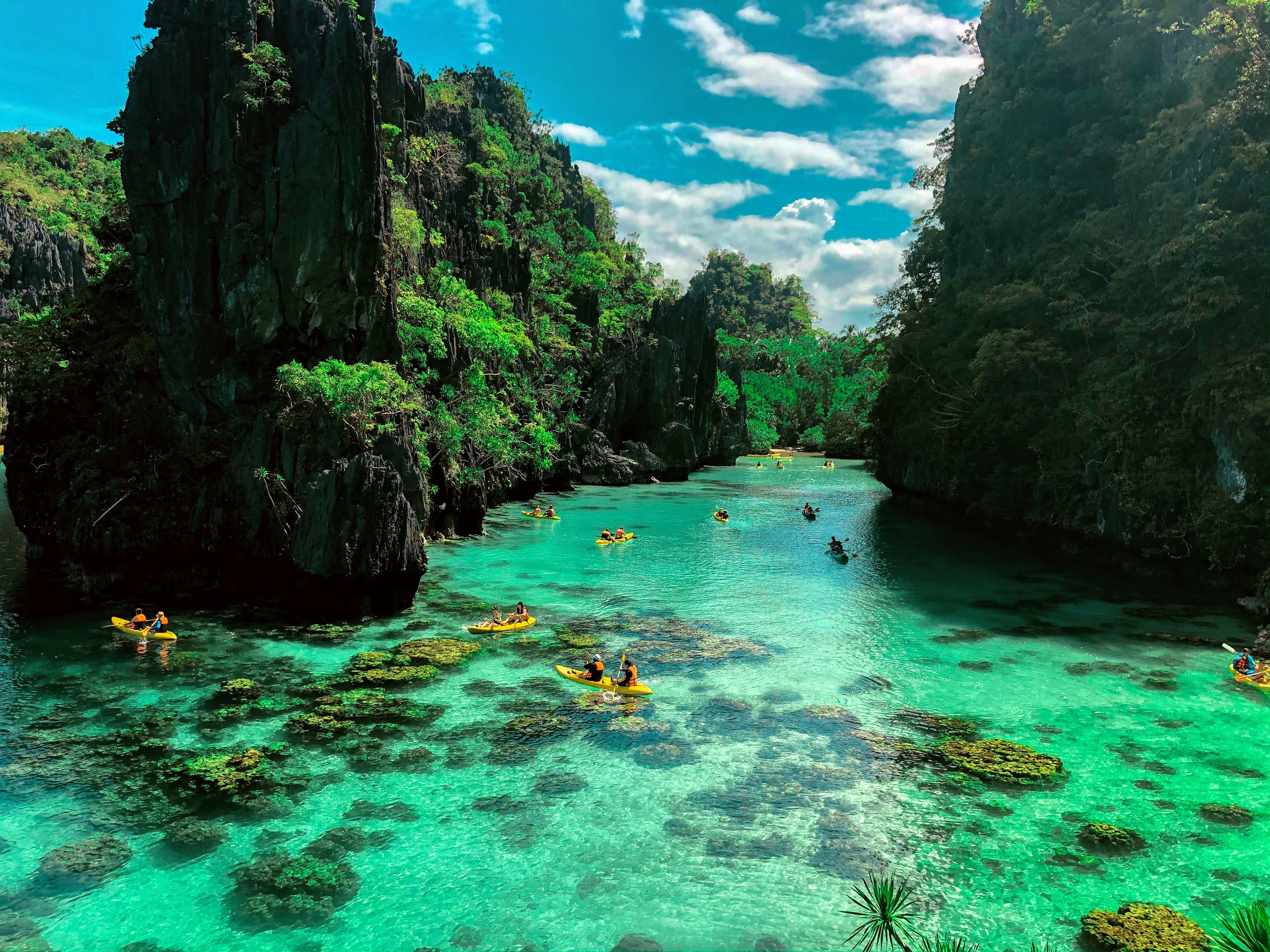
Photo by Rommel Paras on Unsplash
In 2025, travel publications were still writing headlines comparing El Nido to Bali decades ago, urging travelers to visit before it becomes fully mainstream. The logic was sound: the limestone karst formations, the turquoise lagoons, the hidden beaches accessible only by kayak. El Nido is, by almost any metric, one of the most visually spectacular places on Earth.
But the trend that defines El Nido in 2026 is not simply that more people want to visit. It is that El Nido — and the broader Philippine government — is being forced to decide what kind of destination it wants to be. The modern story of this place is not just about beauty. It is about the collision between that beauty and the infrastructure, governance, and environmental pressure that unchecked popularity creates.
El Nido's challenge has become one of the most closely watched case studies in global sustainable tourism. And how it navigates the next few years will determine whether the lagoons travelers are dreaming about will still exist in their current form in a decade.
El Nido was a quiet fishing municipality of roughly 50,000 residents when social media began transforming it into a bucket-list destination. The numbers tell the story: from 76,815 tourist arrivals in 2008, tourism surged by an average of 25% per year, reaching 903,166 arrivals by 2019, according to data from the Asian Development Bank (ADB). By that year, tourists were staying an average of 4 to 5 days and collectively spending around $424.5 million, according to the same ADB report — supporting roughly 38% of the local workforce.
The COVID-19 pandemic reduced visitor numbers by over 85% in 2020, giving the marine ecosystem a brief, involuntary rest. But the reprieve was not used effectively enough to prepare infrastructure for the return of tourism. By 2023, El Nido was welcoming approximately 500,000 visitors per year — roughly 10 times its resident population.
The most damaging consequence of El Nido's rapid, unplanned growth became visible in its water. Government data from the Department of Environment and Natural Resources (DENR), reported in depth by Mongabay in February 2025, showed that the sea around El Nido consistently exceeded the safe recreational swimming limit for fecal coliform levels between 2019 and 2023. Construction of El Nido's first sewage and solid waste treatment plant began during the pandemic, but as of January 2025, only 3.3% of the approximately 900 households in El Nido's town center were connected to the sewage system — despite a subsidized monthly rate of just 298 pesos (approximately $5 USD).
The good news: as of January 2025, 82% of the 670 commercial establishments — hotels, restaurants, tour operators — are now connected to the system, according to the same Mongabay investigation. The local government has committed to connecting all households within two to three years.
The modern trend shaping El Nido in 2026 is "Carrying Capacity Tourism" — the formal, regulatory imposition of daily visitor limits at the most ecologically sensitive sites. The management board of the El Nido-Taytay Managed Resource Protected Area (ETMRPA) adopted a resolution establishing caps on the daily number of visitors to Big Lagoon, Small Lagoon, and Secret Beach — three of the most popular sites in the Bacuit Archipelago. Motorized boats are now barred from entering the lagoons themselves, restricted to anchorage areas at the entrance.
The policy is not just bureaucratic. It is a response to documented ecological damage. Municipal Administrator RJ de la Calzada has been quoted saying: "We want the tourists to see the old El Nido. When you enter these lagoons, it's very eerie and enchanting, and you get goosebumps as your voice echoes." The noise and exhaust from motorized boats had begun disturbing the swiftlets and Palawan hornbills that once nested around the limestone cliffs — birds that visitors came specifically hoping to see.
With carrying capacity policies in effect at the lagoons, spots on the most popular tours fill up during peak season (December to April). Book through licensed, DENR-accredited tour operators in El Nido town. Tours A and C remain the most popular and are the first to sell out. Advance booking also ensures you contribute to regulated, accountable tourism spending.
As of March 2026, flights from Manila to El Nido's Lio Airport (ENI) now depart from Clark International Airport (CRK) in Pampanga, replacing NAIA as the primary Manila gateway. AirSWIFT operates up to four direct daily flights. Alternatively, fly to Puerto Princesa (PPS) via Cebu Pacific, Philippine Airlines, or other carriers, then take a van or bus approximately 5 to 6 hours north to El Nido.
The water quality concerns documented by DENR apply primarily to the coastline immediately around El Nido town center. The offshore islands, lagoons, and beaches visited on island hopping tours have consistently met water quality standards, according to January 2025 government data. Day-trip destinations such as the Big Lagoon, Small Lagoon, Secret Beach, and Nacpan Beach are ecologically separate from the town's coastal water issues.
El Nido is situated within the Coral Triangle, recognized as the global center of tropical marine biodiversity. Standard chemical sunscreens kill coral polyps on contact. Reef-safe sunscreen is not just a preference here — it is essential. Several tour operators and lagoon site managers now require it as a condition of entry.
Most nationalities receive a tourist visa on arrival for 30 days, extendable at any Bureau of Immigration office in the Philippines. Always check the latest entry requirements with the Philippine Bureau of Immigration or your country's embassy before travel.
The single most impactful thing a traveler can do in El Nido right now is extend their stay and slow down. The carrying capacity crisis at the most famous sites is a direct product of the volume of visitors trying to see everything in 48 hours. Staying longer, spreading visits across less-frequented sites (Port Barton, the smaller islands of Tour D, the northern beaches), eating at locally owned restaurants, and booking through locally registered operators redistributes the economic benefit and reduces the pressure on the three or four sites that bear most of the environmental burden. Political ecology professor Wolfram Dressler of the University of Melbourne has recommended that the Philippine government must "put the brakes on rapid over-tourism development" — but travelers can make that choice individually, every trip.
Kotor is a double-listed UNESCO World Heritage Site in Montenegro's fjord-like bay. Your fact-checked 2026 guide to the Adriatic's most layered medieval city and the rise of Western Balkans travel.
The Faroe Islands generated 1.4 billion DKK from tourism in 2025 while pioneering Europe's most innovative sustainable tourism model. Your fact-checked 2026 guide to the North Atlantic's most dramatic archipelago.
McMurdo Sound and the Ross Sea welcome only about 1,150 visitors per season. Your fact-checked 2026 guide to the world's most remote expedition and the huts of Scott and Shackleton.