Get consult
Unlock the secrets of the world’s most breathtaking locales with our expert insights — guiding you toward the truly remarkable destinations that define a lifetime of travel.



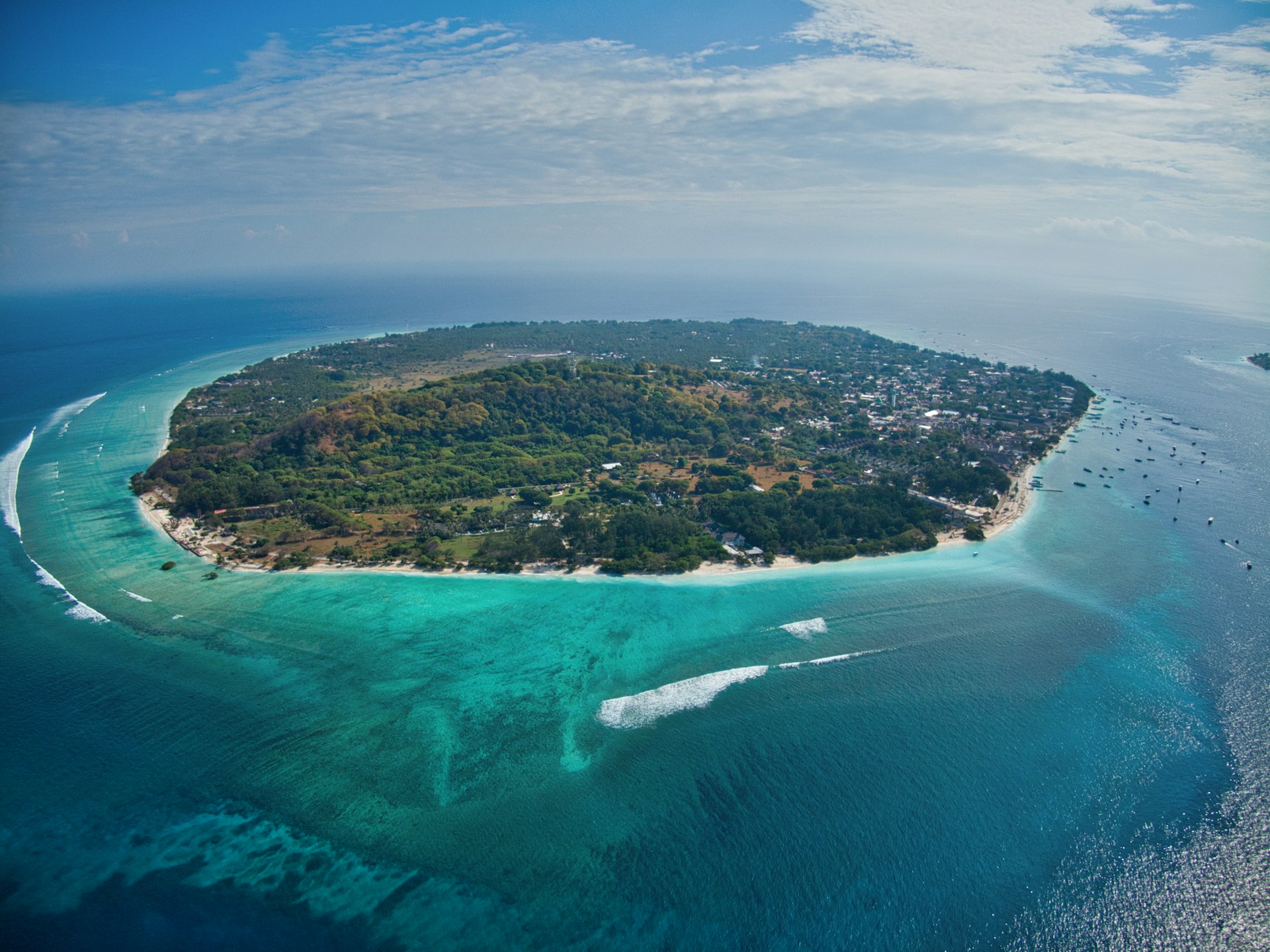
Photo by Danny de Groot on Unsplash
There is a particular kind of travel exhaustion that builds when everywhere starts to feel the same: the same influencer-tagged sunsets, the same rooftop infinity pools, the same street food markets curated for the camera. Gili Air, a compact coral-rimmed island sitting in the Lombok Strait between Bali and Lombok in West Nusa Tenggara, Indonesia, is the antidote to all of that. No cars. No motorbikes. No exhaust fumes. The only sounds on the sandy paths that crisscross the island are the soft creak of bicycle wheels, the muffled clop of cidomo horse carts, and the ocean.
In 2026, Gili Air is benefiting from a confluence of forces that have positioned it as one of the most talked-about slow travel destinations in Southeast Asia. Indonesia welcomed 15.39 million international visitors in 2025, a 10.8 percent annual increase over the previous year, with the government targeting 16 to 17 million arrivals for 2026, as confirmed by Travel and Tour World citing the Indonesian Ministry of Tourism. Meanwhile, the island of Bali, long the gateway into the Indonesian archipelago, announced in September 2025 a 10-year ban on new hotels, villas, and restaurants across Seminyak, Canggu, and Ubud, as documented by EcoBnb, signaling the limits of mass-market development and pushing conscious travelers to look elsewhere. Gili Air has absorbed much of that redirected interest. Where Gili Trawangan has leaned into party culture and Gili Meno into isolated quiet, Gili Air has found a distinctive middle identity: a functioning Sasak-Balinese community, a growing wellness ecosystem, active coral restoration programs, and an atmosphere that rewards visitors who slow down rather than rush through.
The trend driving arrivals to Gili Air in 2026 is Slow Wellness and Regenerative Island Tourism: a deliberate, internationally documented shift in which travelers seek destinations where the experience of being present, doing less, and contributing to the environment is the point rather than a sidebar. In no destination in Indonesia is that trend more visibly embedded in the island's daily culture than on Gili Air.
The word gili means small island in the Sasak language, the tongue of the indigenous Sasak people of Lombok, who have inhabited the surrounding mainland and these offshore islands for centuries. Before the arrival of modern tourism, Gili Air's population of approximately 1,000 people sustained themselves through fishing, coconut farming, and trade. The island's older generation still maintains those traditions: boatmen, fishermen, and farmers whose daily rhythms predate the guesthouses and yoga shalas by generations, as documented by the Lombok Network's Gili Air island profile. The Gili Islands as a group began attracting backpackers and divers in the 1980s and 1990s, initially as an obscure and very cheap side trip from Lombok. Gili Trawangan, the largest of the three, absorbed the bulk of early tourism and developed into a well-known party destination. Gili Air, smaller and closer to the Lombok mainland, retained a quieter, more residential character.
What has changed in the last two to three years is the composition and motivation of Gili Air's visitors, and the island's own response to that change. Three forces have driven the modern evolution.
Bali's September 2025 hotel development ban, prompted by decades of environmental degradation including flooding, disappearing rice fields, and damaged coastal ecosystems, sent a clear signal across the Indonesian travel market: the era of unchecked beach development is over. For travelers who had already grown tired of Bali's congestion, Gili Air offered a compelling alternative: an island without motor vehicles by policy, with a physically enforced ban on cars and motorbikes that predates mass tourism and originated as a practical response to the difficulty of importing fuel to a small, remote island, as documented by Isle Explorer. The absence of motorized transport is not a gimmick or a marketing position. It is the island's baseline reality, and it produces a quality of daily life and sensory experience that has become genuinely rare in Southeast Asian beach tourism. You can hear the ocean from anywhere on the island. The air carries coconut and salt rather than exhaust. The pace of movement slows involuntarily.
Gili Air has developed, somewhat organically and without a top-down government strategy, into what multiple 2026 travel guides now describe as a wellness hub. Multiple yoga studios offer daily classes, including some with oceanfront shalas where sunrise sessions happen directly above the water line, as confirmed by the Gili Islands Travel Guide 2026 published by airbali.com. The cafe and restaurant scene on the island has evolved to reflect this wellness identity: smoothie bowls, organic options, quality coffee, and menus that move between local Indonesian dishes and internationally influenced health-conscious cuisine. The presence of digital nomads and long-stay visitors has supported the development of reliable WiFi infrastructure across the island, making it possible to base oneself on Gili Air for extended periods without sacrificing connectivity, as documented by multiple 2026 guides. The result is an island that serves both the fully offline detox traveler and the partially connected slow traveler who wants ocean and productivity in the same week.
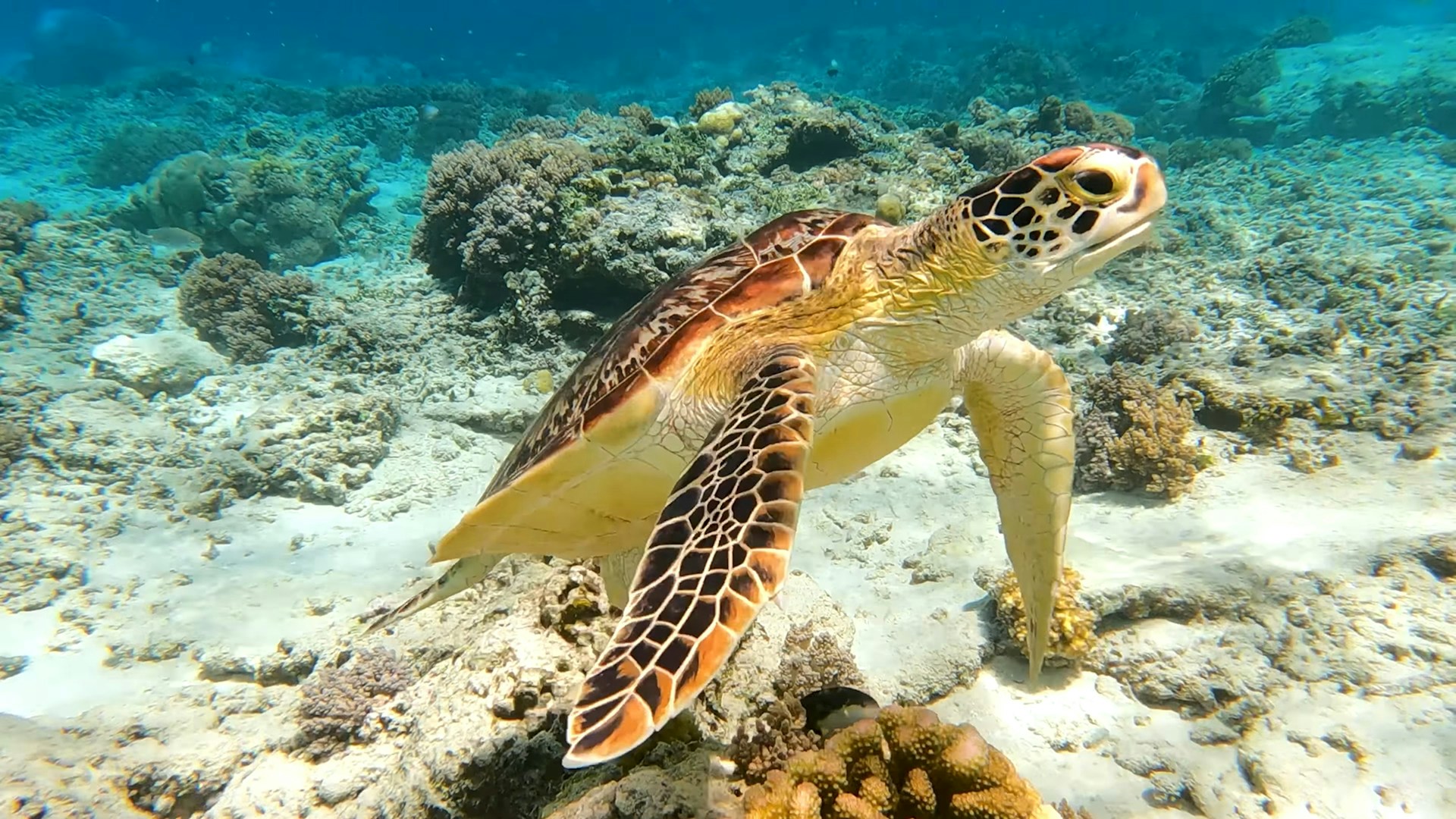
Perhaps the most structurally significant dimension of Gili Air's modern evolution is its active role in marine conservation. The Gili Eco Trust, a local organization operating across all three Gili Islands, conducts regular beach cleanups and coral reef restoration activities and educates visitors about the environmental impact of their presence on a fragile island ecosystem, as documented by Villa Tokay's 2025 Gili Islands guide. Reef Seen Divers Resort, located on Gili Air, is one of the specific operators offering organized coral reef restoration projects that visitors can participate in directly, as confirmed by Villa Tokay. This is not incidental programming. It reflects a broader global shift in what travelers find meaningful, and Gili Air's marine environment genuinely warrants the attention: the Coral Gardens dive site off Gili Air's east coast is home to blacktip reef sharks, green sea turtles, and an array of tropical fish that makes it one of the most rewarding accessible diving environments in Indonesia, as documented by Villa Tokay's 2026 Gili Air guide. The island's Turtle Point, where habituated sea turtles graze at shallow depths and will approach calm, patient snorkelers directly, has become one of the most shared wildlife encounters in the region.
Indonesia offers a Visa on Arrival (VOA) for citizens of approximately 97 eligible nationalities, granting a single-entry stay of up to 30 days, extendable once for an additional 30 days at a local immigration office, as confirmed by Immi Assist citing Indonesian immigration policy. US citizens are among the eligible nationalities and can apply for the eVOA (electronic Visa on Arrival) online before departure for approximately 500,000 IDR (roughly 30 to 35 USD), as documented across multiple 2025 and 2026 visa guides. UK, European Union, Australian, Singaporean, and Japanese nationals are also eligible for VOA or visa-free entry under current Indonesian policy, though travelers should verify their specific nationality's current status at the official Indonesian immigration website before travel. Citizens of ASEAN member states including Singapore, Malaysia, Thailand, and the Philippines may qualify for free VOA entry for up to 30 days under existing bilateral arrangements, as confirmed by Lets Move Indonesia. An important 2025 update: since 1 September 2025, all travelers entering Indonesia via major airports and ports must complete an arrival declaration using the All Indonesia app (available on iOS and Android), which replaces older forms including Satu Sehat and the Electronic Customs Declaration, combining immigration, health, and customs forms into a single digital submission, as confirmed by Klook's Bali entry guide. Download and complete this form before your flight. Note also that Bali charges a separate IDR 150,000 tourism levy per person per entry if you transit through Ngurah Rai Airport.
The most common and practical route from Bali to Gili Air is by fast boat from Padang Bai, Serangan, or Sanur harbor on Bali's south or east coast. The crossing takes approximately 1.5 to 2.5 hours depending on the departure port and sea conditions, as confirmed by GiliFastBoat.com and Ferryhopper. Fast boat ticket prices typically range from approximately 25 to 40 USD per person, as documented by GiliFastBoat.com, though prices vary by season, operator, and route and should be confirmed at time of booking. Morning departures between 8 and 10 AM are generally recommended as sea conditions in the Lombok Strait are calmest in the morning, as documented by Gili Bookings. If entering via Lombok, Lombok International Airport (LOP) receives domestic flights from Bali on Garuda Indonesia and Lion Air (approximately 30 minutes), with an overland transfer to Bangsal Harbour followed by a local boat to Gili Air. From Bangsal, the boat crossing to Gili Air takes under 30 minutes. Total travel time via the Lombok flight route is roughly 3 to 5 hours door to door including transfers, as confirmed by Balicopter's 2026 Gili Air transport guide.
There are no motorized vehicles on Gili Air. Once you arrive at the harbor on the island's south coast, you walk, rent a bicycle, or take a cidomo horse cart. Bicycle rental is available directly at the harbor at approximately 50,000 IDR per day, as documented by Gili Bookings. The entire island can be circumnavigated on foot in approximately 90 minutes at a comfortable pace, as confirmed by the Lombardfastboats.com Gili Air guide. Cidomo horse cart fares are regulated by local authorities and generally run approximately 65,000 to 80,000 IDR for standard routes (maximum two passengers), as documented by Hotels.com Go Guides. Cash remains essential on Gili Air: ATMs exist on the island but are documented as unreliable and frequently run out of cash during busy periods, as confirmed by the Gili Islands Travel Guide 2026. Bring sufficient Indonesian rupiah from Bali or the mainland before arriving.
The east coast of Gili Air is the primary hub for underwater activity, offering the island's best snorkeling directly off the beach. Key sites verified by multiple sources include Turtle Point, where green sea turtles graze and can be observed at close range by still, patient snorkelers; Shark Point, where blacktip reef sharks patrol at accessible depths; and the Coral Gardens, a vibrant reef system excellent for photography and marine life observation. The correct approach to observing turtles is to enter the water ahead of the turtle's direction of travel, remain still, and allow the turtle to approach rather than pursuing it, as clearly explained by Isle Explorer's 2026 Gili Air guide. Pursuing or touching turtles causes a documented stress response and is harmful to the animals. For scuba diving, Oceans 5 Dive Center is specifically cited as a reputable Gili Air operator in Villa Tokay's 2026 guide. Other established dive operators on the island include Manta Dive and Dream Divers, which operate across the Gili Islands. Coral reef restoration dives and workshops are available through Reef Seen Divers Resort, as confirmed by Villa Tokay's Gili Islands guide.
The optimal travel window for Gili Air is the dry season, April through October, when skies are clear and conditions are ideal for diving, snorkeling, and outdoor activities, as confirmed by Villa Tokay's 2026 Gili Air guide. The peak months of June through September offer the best underwater visibility and calmest sea crossings. The green season from November through March brings occasional short bursts of rain but also significantly fewer crowds and a quieter, more local atmosphere. March through April can occasionally see disrupted fast boat services due to seasonal swells in the Lombok Strait: travelers booking in those transitional months should factor in potential crossing delays. The best time for the fast boat crossing itself is consistently documented as the morning window, particularly departures between 8 and 10 AM when the Lombok Strait is calmest.
Gili Air is not a resort island managed by an external hotel group. It is a Sasak fishing and farming community that has accommodated tourism around the edges of its daily life. That distinction matters enormously for how you travel here. The island's culture reflects a blend of Sasak, Balinese, and Islamic traditions, and the majority of the island's permanent residents are Muslim, as documented by ForeverVacation's Gili Air profile. Dress modestly when walking through residential areas, particularly in the interior of the island where local families live. The beach is an appropriate place for swimwear; the inland paths and villages are not.
Regarding the cidomo horse carts: in 2026, animal welfare organizations actively monitor the horses on the Gili Islands, as noted by Isle Explorer. Walking is the recommended mode of transport for most movement on the island. Use a cidomo only for heavy luggage or genuine mobility needs, and if you observe any sign of mistreatment, report it locally. The horses are working animals in a community economy, and they deserve the same consideration you would extend to any living creature whose labor makes your holiday easier.
The Gili Eco Trust runs weekly beach cleanups and reef restoration activities that any visitor can join. Participation is free and takes approximately one hour. The environmental pressure of even modest tourism on a small, low-lying coral island is real: the reef systems that make Gili Air worth visiting are the same systems that are damaged by sunscreen chemicals, anchor drag, careless snorkeling, and plastic waste. Bring a reef-safe sunscreen, carry a reusable water bottle, buy from local warungs rather than imported minimart chains, and eat at family-run restaurants rather than foreign-owned establishments. The economic signal matters as much as the environmental one on an island this small.
Kotor is a double-listed UNESCO World Heritage Site in Montenegro's fjord-like bay. Your fact-checked 2026 guide to the Adriatic's most layered medieval city and the rise of Western Balkans travel.
The Faroe Islands generated 1.4 billion DKK from tourism in 2025 while pioneering Europe's most innovative sustainable tourism model. Your fact-checked 2026 guide to the North Atlantic's most dramatic archipelago.
McMurdo Sound and the Ross Sea welcome only about 1,150 visitors per season. Your fact-checked 2026 guide to the world's most remote expedition and the huts of Scott and Shackleton.