Get consult
Unlock the secrets of the world’s most breathtaking locales with our expert insights — guiding you toward the truly remarkable destinations that define a lifetime of travel.



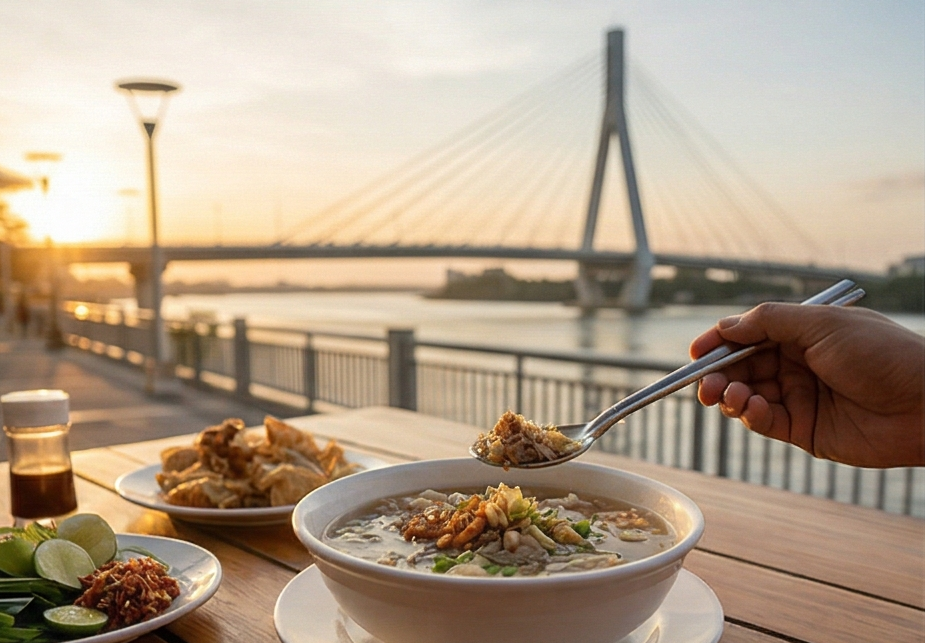
In April 2026, one Philippine city took center stage for the entire country. Iloilo City, the capital of Iloilo Province on Panay Island, was chosen to host the official national ceremony for Filipino Food Month 2026 (Buwan ng Kalutong Filipino), with major activities beginning April 6, 2026, as reported by Travel and Tour World. This was not a coincidence. In 2023, Iloilo was designated the Philippines' first and only UNESCO Creative City of Gastronomy, a milestone confirmed by the Philippine Department of Tourism, Wikipedia, and the DOT's official regional press release. And in 2026, the Philippines is hosting the UN Tourism World Gastronomy Forum for the first time in the country's history, a global event that places Iloilo's culinary identity squarely in an international spotlight.
The modern trend powering Iloilo's tourism rise is Heritage Gastronomy Tourism: the global shift toward destinations where food is not merely an amenity but an entry point into history, community, and cultural identity. According to Future Market Insights, the Philippines culinary tourism market is valued at USD 9.5 billion in 2026 and projected to reach USD 36.9 billion by 2036, growing at a compound annual rate of 14.5%. Iloilo, as the country's only UNESCO-designated gastronomy city, is positioned to capture a disproportionate share of that growth.
Iloilo's food culture has deep historical roots. In the 19th century, Iloilo became one of the Philippines' wealthiest cities when Spanish colonists developed it as a shipping port for sugar grown on nearby Negros Island. The wealth of that era produced the largest collection of colonial-era ancestral mansions in any Philippine city, and it cultivated a culinary tradition in which abundance, Spanish influence, and indigenous Ilonggo ingredients fused into something entirely singular.
In 2023, UNESCO recognized what locals already knew: Iloilo's culinary identity is among the richest in Southeast Asia. The designation as a UNESCO Creative City of Gastronomy followed years of community-led food preservation initiatives and the global recognition of dishes that have no equivalent elsewhere in the Philippines. In 2024, the Calle Real Heritage Zone was included in the UNESCO World Heritage Site Tentative List, further cementing Iloilo's dual identity as a heritage and gastronomy destination.
Tourist arrivals have responded. Wikipedia documents that in 2024, Iloilo City recorded 1,001,028 tourist arrivals, a 12.95% increase from 886,283 in 2023. This growth reflects not only domestic food tourism but rising international interest, particularly from travelers using Iloilo as a culinary base before island-hopping to Guimaras, Boracay, or Antique.
No visit to Iloilo is complete without working through its canonical dishes. La Paz Batchoy is the city's most famous export: a rich noodle soup combining pork organs, crispy pork rinds, chicken broth, beef loin, and round noodles. The dish originated in the La Paz district and is best tried at La Paz Market, where the original preparation has been practiced for generations. Pancit Molo is a wonton-style dumpling soup from the Molo district, fragrant with pork filling and broth. KBL (Kadyos, Baboy, kag Langka) is a sour pork and jackfruit stew unique to the Ilonggo kitchen. Kansi is a bone-marrow soup that predates the more familiar Bulalo of Tagaytay. Chicken Inasal, the charcoal-grilled native chicken marinated in lemongrass and vinegar, is a staple found at roadside grills and upscale restaurants alike.
Iloilo International Airport (ILO) is served by multiple domestic carriers including Cebu Pacific, Philippine Airlines, and AirAsia, with direct flights from Manila taking approximately 1 hour and 15 minutes. The airport is located in Cabatuan, approximately 20 kilometers from the city center. Taxis and ride-hailing services are available from the airport. Iloilo is also accessible by ferry from Bacolod in Negros Occidental, with fast-craft services taking approximately 1 hour.
Begin at Molo Plaza, where the neo-Gothic Molo Church (built with coral bricks fused by egg-white mortar) anchors one of the city's most photographed heritage squares. Nearby, Panaderia de Molo has been producing biscochos, galletas, and barquillos since the late 1800s. The Avanceña-Camiña Balay Nga Bato, an 1865 ancestral home with Capiz shell windows, offers guided tours that include food sampling. Plaza Libertad, where the Philippine flag was first raised in Iloilo, provides a starting point for walking heritage tours of the city center. The Iloilo River Esplanade, an award-winning riverside promenade, is the best spot for an evening walk and access to riverfront food stalls.
The DOT's Region VI Office launched the Slow Food in Western Visayas event program in Iloilo City, developing itineraries that immerse tourists in food preparation and ingredient sourcing, as documented by the DOT's official website. The Tabu-an Heritage Cooking Competition and Food Expo, typically held in February, showcases traditional Ilonggo cuisine and offers tasting opportunities. The Iloilo Food Festival, usually in October, features both traditional and contemporary interpretations of Ilonggo dishes alongside cooking demonstrations. Check current event schedules with the Iloilo City Tourism Office before booking, as dates may vary annually.
Guimaras Island is a 30-minute boat ride from Iloilo City and is the source of the tangy, fruit-forward cacao used to make tsokolate de batirol, the silken hot chocolate drink served at heritage homes in Iloilo. Guimaras is also internationally recognized as the source of the sweetest mangoes in the world, a claim supported by the Philippine government's official tourism collateral. A day trip to Guimaras pairs seamlessly with the Iloilo food experience and is essential for understanding where the flavors of Ilonggo cuisine originate.
The local language is Hiligaynon (also called Ilonggo), spoken throughout Panay Island. English is widely understood in the city center, markets, and tourism establishments. Learning basic Ilonggo phrases, such as Salamat (thank you) and Palangga kita (I love you), is warmly received by locals and adds a meaningful dimension to market interactions and heritage tours.
Iloilo's UNESCO designation is a recognition of living culinary traditions sustained by families, small producers, and market vendors who have practiced them across generations. To support the community that earned the recognition, eat at locally-owned carinderias, market stalls, and family restaurants rather than chain establishments. When buying biscochos, barquillos, or ube products, purchase directly from heritage bakeries like Panaderia de Molo or artisan producers at public markets rather than airport souvenir chains. The DOT's Slow Food itineraries can direct you to producers who welcome visitors as part of genuine community tourism, not only as customers.
Kotor is a double-listed UNESCO World Heritage Site in Montenegro's fjord-like bay. Your fact-checked 2026 guide to the Adriatic's most layered medieval city and the rise of Western Balkans travel.
The Faroe Islands generated 1.4 billion DKK from tourism in 2025 while pioneering Europe's most innovative sustainable tourism model. Your fact-checked 2026 guide to the North Atlantic's most dramatic archipelago.
McMurdo Sound and the Ross Sea welcome only about 1,150 visitors per season. Your fact-checked 2026 guide to the world's most remote expedition and the huts of Scott and Shackleton.