Get consult
Unlock the secrets of the world’s most breathtaking locales with our expert insights — guiding you toward the truly remarkable destinations that define a lifetime of travel.



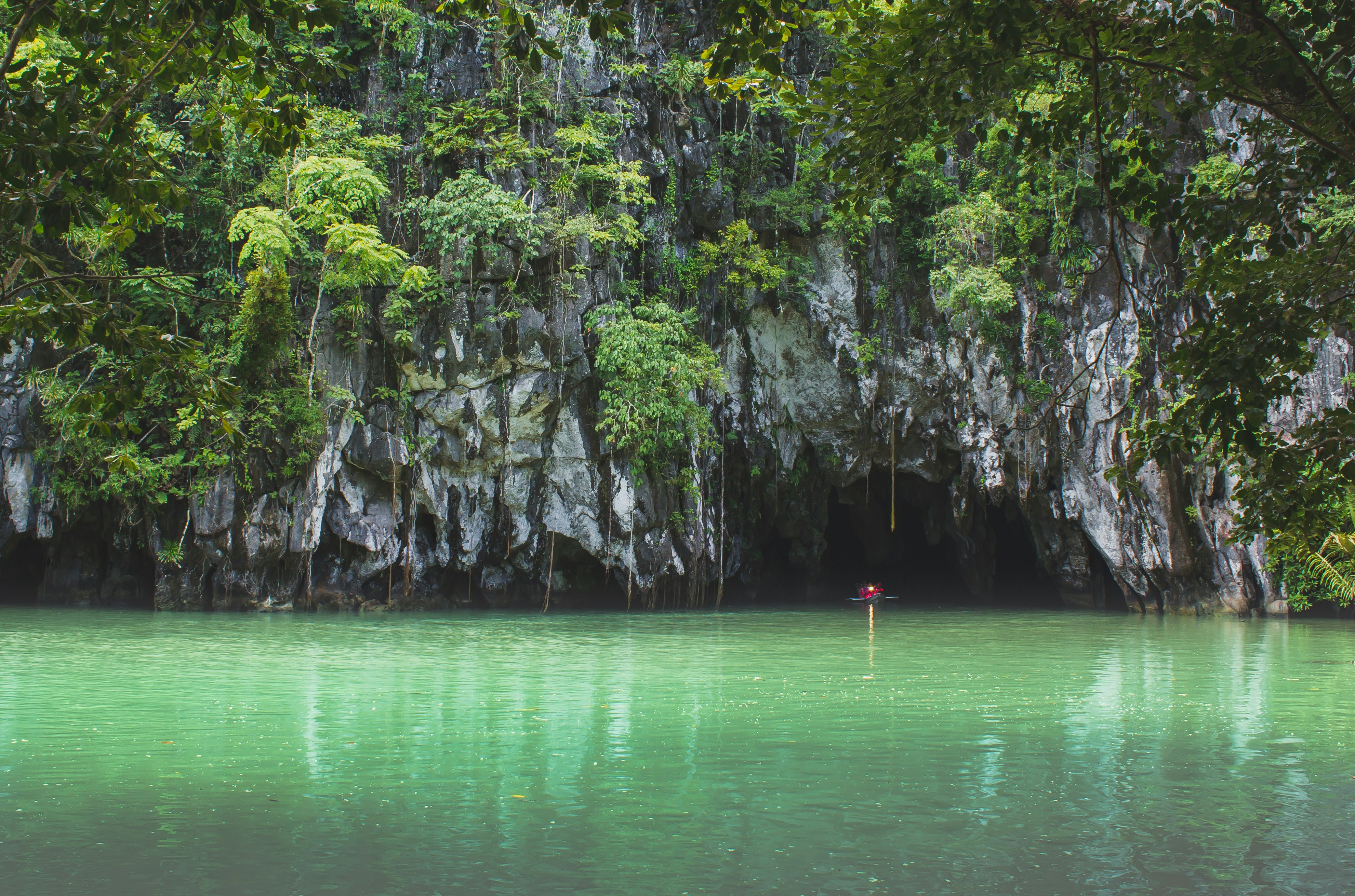
Photo by David Milmont on Unsplash
In October 2025, a viral open letter addressed to the Department of Tourism and the Local Government of Palawan sent shockwaves through the Philippine travel community. A traveler named Joemar Revelo, writing as Pinoy Islander, described being amazed by the natural beauty of the Puerto Princesa Underground River but deeply concerned about the state of its tourism facilities and management. The letter described outdated queuing systems, poorly maintained visitor infrastructure, and inadequate services at a site that is simultaneously a UNESCO World Heritage Site (inscribed 1999), one of the New 7 Wonders of Nature (2012), and the centerpiece of Palawan's tourism economy.
The response was swift and significant. The Puerto Princesa Subterranean River National Park Protected Area Management Office (PPSRNP-PAMO) issued a public statement published by Palawan News on October 31, 2025, acknowledging the lapses, apologizing to visitors, and committing to a concrete modernization roadmap. The moment became a turning point for one of the Philippines' most iconic natural landmarks.
The modern trend driving Puerto Princesa's evolution in 2026 is Conservation-Driven Infrastructure Modernization: the challenging balance of upgrading a heavily visited UNESCO site's visitor facilities without violating the strict environmental and technical review requirements that protect its ecological integrity. This is a story about what happens when a wonder of nature becomes too popular for its own management systems to handle, and how it is choosing to respond.
The Puerto Princesa Subterranean River National Park contains an 8.2-kilometer underground river that flows directly into the sea, with its lower half subject to tidal influence, as documented by the UNESCO World Heritage Centre. This makes it a unique global phenomenon: the only known navigable underground river that terminates directly at the ocean. UNESCO inscribed it as a World Heritage Site in 1999. In 2012, it was voted one of the New 7 Wonders of Nature, and the subsequent surge in visitor interest strained management systems that were not designed for the volume.
According to the PPSRNP-PAMO statement reported by Palawan News in October 2025, the management office committed to several specific modernization projects:
The management office emphasized that all upgrades must pass strict environmental and technical reviews under the Expanded National Integrated Protected Areas System (ENIPAS) Act. This review process explains why improvements have been slower than visitor expectations, but it also provides the legal framework that protects the site's Outstanding Universal Value.
Fly to Puerto Princesa International Airport (PPS) from Manila, Cebu, or other domestic hubs. The Underground River is located approximately 80 kilometers northwest of Puerto Princesa city center near the village of Sabang. Most visitors access it via a 2-hour road trip followed by a short boat transfer to the park entrance. Check the official park website at undergroundriver.puertoprincesa.ph for the current booking process before your visit. During peak season (December to May), permits are in high demand: advance booking is strongly recommended.
The Puerto Princesa Underground River operates under a daily visitor limit set by the Protected Areas Management Board (PAMB). According to UNESCO State of Conservation records, the allowable daily visitor number has been set at 900. Booking ahead is not only convenient: it is necessary to guarantee your spot.
Guided bangka boat tours navigate approximately 4.5 kilometers of the accessible portion of the 8.2-kilometer underground river. The cave contains spectacular speleothems, stalactites, stalagmites, and several chambers up to 120 meters wide and 60 meters high. Wildlife inside the cave includes large bat colonies and rare cave-dwelling spiders. The cave is humid and dim: wear clothes that can get damp, bring a light jacket, and follow all guide instructions regarding noise levels and movement.
Puerto Princesa is not just an access point for the Underground River. Honda Bay offers island hopping to Luli Island, Starfish Island, and Pambato Reef. The city's food scene along Rizal Avenue is strong for Palawan seafood. Puerto Princesa scored 73.57 points in the WTI's 2025 best cities to visit ranking, placing it third in the Philippines after Davao City and Makati City, as confirmed by the Philippine Information Agency.
The Philippines allows most nationalities to enter visa-free for 30 days, extendable at the Bureau of Immigration. A separate environmental fee is charged at the Underground River park entrance. Always check the latest entry requirements with the Philippine Bureau of Immigration before travel.
The strict regulations governing the Underground River are not bureaucratic obstacles. They are the reason the cave system has survived decades of visitor pressure with its Outstanding Universal Value intact. Respect all rules inside the cave: no flash photography in bat roost areas, no touching of formations, no loud noise that disturbs the wildlife. Follow your guide's instructions without exception. The broader national park encompasses 22,202 hectares of mountain-to-sea ecosystem including dipterocarp forest, mangrove systems, and beach forest, as documented by UNESCO. Stay on marked trails and report any irregularities to park management.
Kotor is a double-listed UNESCO World Heritage Site in Montenegro's fjord-like bay. Your fact-checked 2026 guide to the Adriatic's most layered medieval city and the rise of Western Balkans travel.
The Faroe Islands generated 1.4 billion DKK from tourism in 2025 while pioneering Europe's most innovative sustainable tourism model. Your fact-checked 2026 guide to the North Atlantic's most dramatic archipelago.
McMurdo Sound and the Ross Sea welcome only about 1,150 visitors per season. Your fact-checked 2026 guide to the world's most remote expedition and the huts of Scott and Shackleton.